
Jump-Start Gardens in Spring
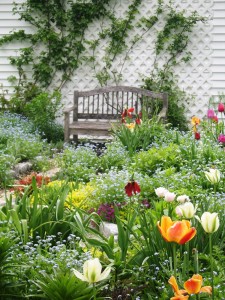 With spring around the corner, I’m itching to get out in my gardens. Colorful flower gardening catalogs and magazines can only satisfy my gardening cravings for so long. At this time of the year I feel like a ship’s captain scanning the horizon for land – except I am searching for small green shoots. The minute I see something green I’ll scamper out for a closer inspection; head down, rump up. If it is a weed, I’ll pull it out in disgust but, ahhhhh, if it is one of the survivors from our wicked Northeastern winters, then I’ll give it a thumbs up and whisper “Carry on”.
I expect a lot from my gardens. I practice tough love, refusing to pamper prima donnas, and you should too. By taking some simple steps in spring, I can have healthier, better-behaved gardens the rest of the year. Here are a few of my tried-and-proven tricks for jump-starting beautiful flower gardens:
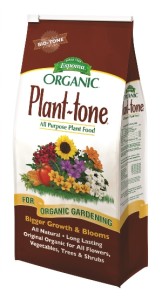 • In spring, after the snow melts and the ground has softened, cast Plant-tone (5-3-3), a slow release, organic granular fertilizer, on perennial gardens. This encourages strong root growth and development. I put it down at the rate of 2 to 4 pounds per 100 square feet. I also apply this to ground covers that need to fill inn as well as to roses (including climbers) and clematis. Most of my flowering shrubs also get this organic treat, except for acid-loving ones like Rhododendron, Azalea, Mountain Lauren, Holly and blueberries, that enjoy Holly-tone instead.
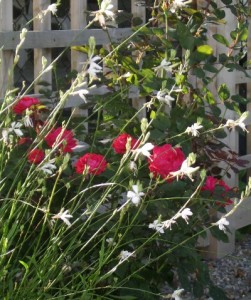 • Prune roses in late winter except for those that only bloom once in spring or early summer. Many antique roses fall into this category and should be pruned immediately after blooming. For all other roses, watch for green leaf buds to break from stems and prune back canes right above outward facing buds. I prune shrub roses back by one-half to two-thirds their height to maintain more compact plants. This may seem drastic but it works. My roses are covered with flowers each summer. If pruning makes you nervous, wait until you’ve had a bad day at work, with the kids, or in traffic, and then grab pruners and go at it. Remove dead or broken canes as well as those that rub against each other. In general, when you see the Forsythia in bloom, let the games begin.
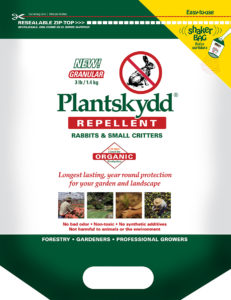 • Defend your borders against unwanted immigrants – I’m talking about deer and rabbit that invade gardens and wreak havoc. Plantskydd is rated number one by commercial growers, gardeners and landscapers for its effectiveness at protecting plants from deer and rabbit. This organic repellent (OMRI approved) lasts for up to four months during the summer (six months in winter) and is available in liquid or granular form. New this season is a granular vole repellent in three pound ‘shakeable’ bags. Save 10% on online orders and free shipping for orders over $55 by using the special friends of Perennially Yours discount code Pyours2017.
• If it has been a number of years since you’ve done a soil pH test, now’s the time! Most perennials, annuals and flowering shrubs grow best in a soil pH between 6.0 – 7.0. Some exceptions are acid-loving shrubs such as Rhododendron, Azalea, Mountain Laurel, many dogwoods, blue mophead or lacecap Hyrdangea and blueberries. These prefer a pH in the 5.0s. You can conduct your own soil test by using a kit or probe (Rapitest has some good products) or collect a sample and bring it to your local extension office for testing. Many extension offices also offer a more comprehensive soil test that includes an analysis of nutrients and organic matter.
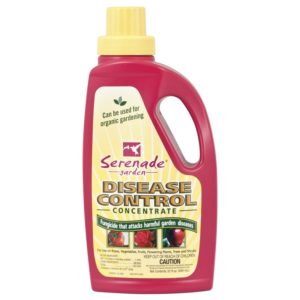 • Be proactive! Discourage nasty powdery mildew and other fungal diseases that strike many plants in summer – including Bee Balm (Monarda), Phlox, lilac (Syringa) and false Sunflowers (Heliopsis) – by treating foliage with organic sprays in June. Safer Garden Fungicide, 70% Neem Oil and Serenade Garden Disease Control Biofungicide are all approved by the Organic Materials Review Institute (OMRI) for use on fruits, vegetables and ornamentals. The key is to start protecting foliage against disease BEFORE the problem starts.
• If your garden is plagued by chomping slugs and snails, scatter iron phosphate granules around affected plants. Sluggo Plus (OMRI approved) and Slug Magic are popular brands. Sluggo Plus also takes care of earwigs and sowbugs. These organic products are biodegradable and safe for use around pets and wildlife. I know many folks use stale beer for controlling ‘slimers’. Personally, I can’t stand sharing my beer with slugs. Plus, as a proponent of responsible drinking, I can’t forget the story from one distraught gardener who complained of drunk, staggering squirrels in her yard.